Archives: Moteus

C++20 coroutines and moteus_tool

I’ve had a confusing mismash of development tools for the moteus servos for a while now.  My original development tool was in python, which worked just fine.  Coroutines allowed me to express complex asynchronous logic succinctly, the program itself was rather simple, and I could easily integrate it with matplotlib for plotting.  However, when looking to run this on the raspberry pi, I needed a newer python version than came with raspbian, which turned out to be a royal pain to get installed in a repeatable manner.  Thus I rewrote a portion of the moteus_tool in C++ and just used my normal cross-compiling toolchain to generate the binaries.  What I didn’t do was port the calibration logic, as the state machine required with standard boost::asio would have bloated the logic size by 5x, and I didn’t really need to calibrate servos from the raspberry pi ever.

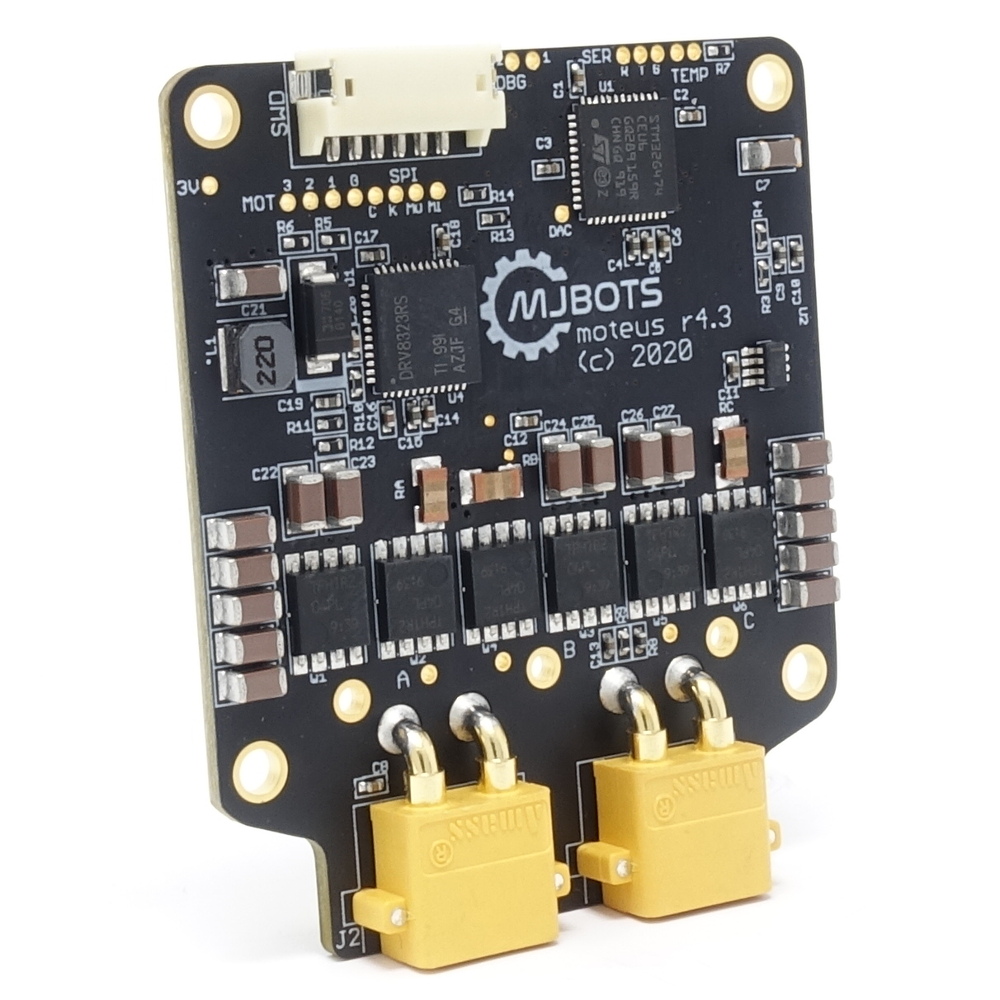
Moteus controller devkit PCBs in house

Update 2020-01-15: All the development kit slots are full.  Thanks for your interest!

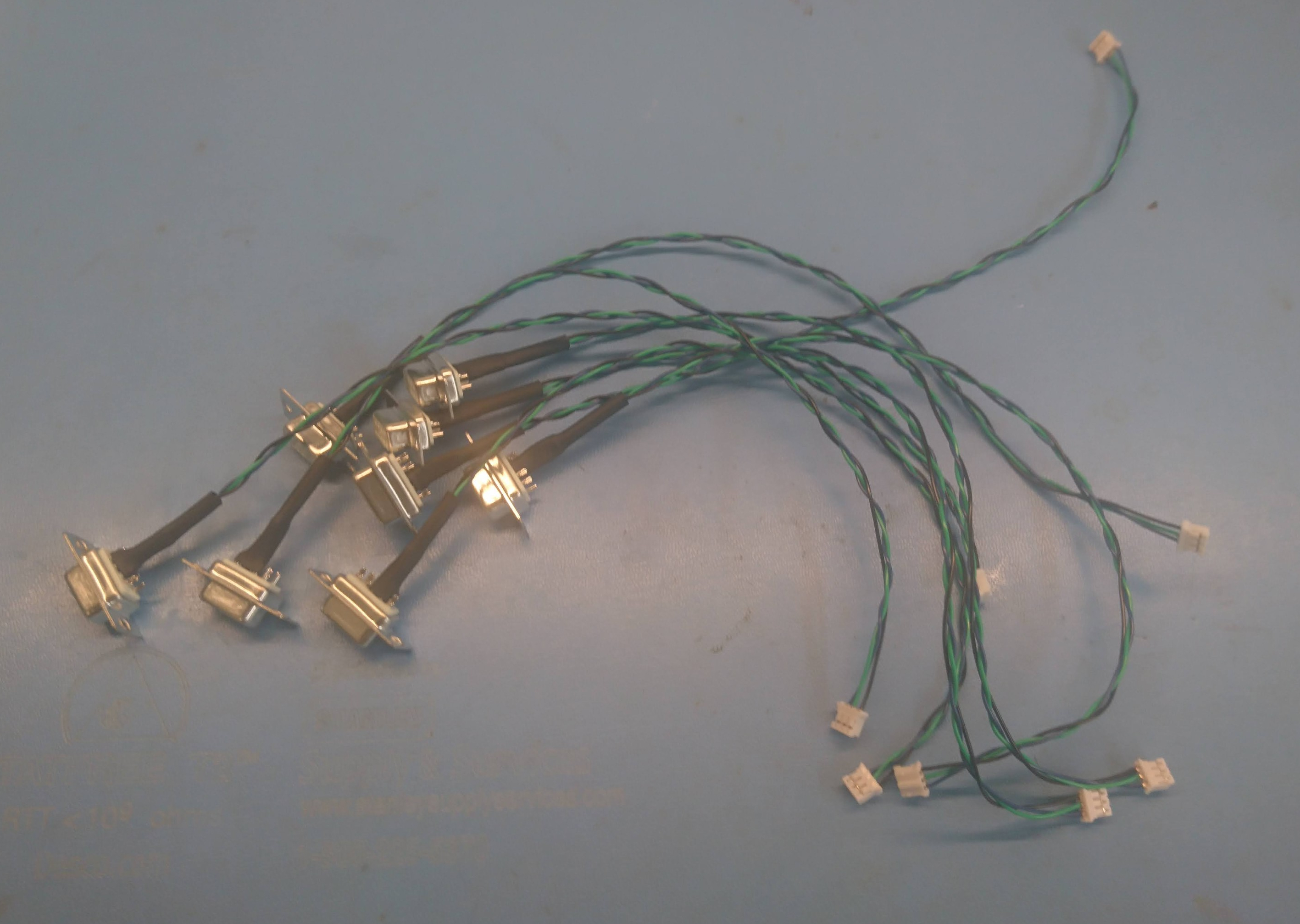
I’ve now received all the supplies I need to make up development kits for the moteus controller and to make a test quadruped!

I’m planning on making a few development kits from this production run so others can experiment with the moteus brushless controllers.  Some people have already expressed interest in getting one – you have hopefully been contacted earlier.  If you are interested in getting an opportunity to buy an early access kit and haven’t heard from me yet, fill out this form!

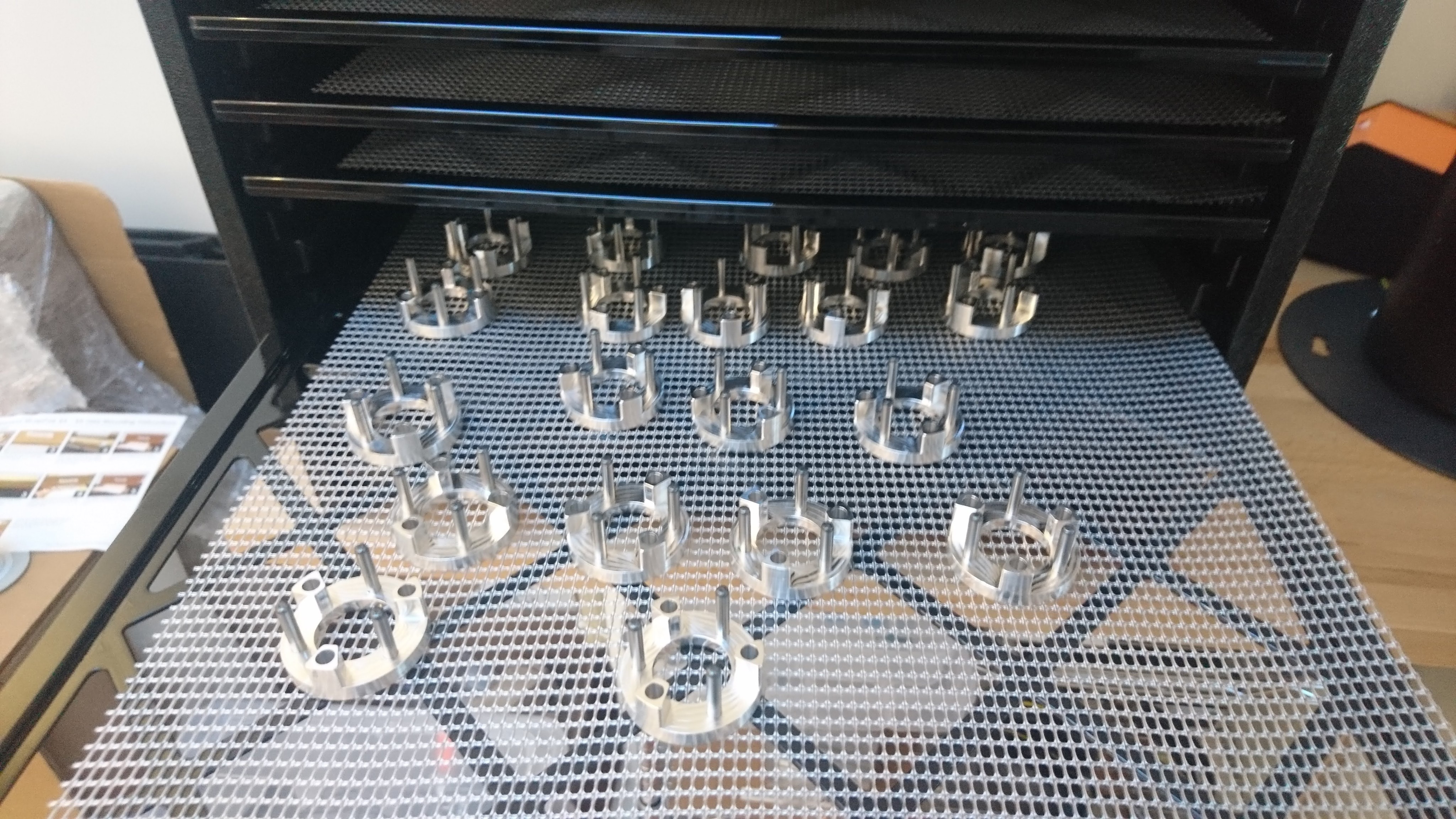
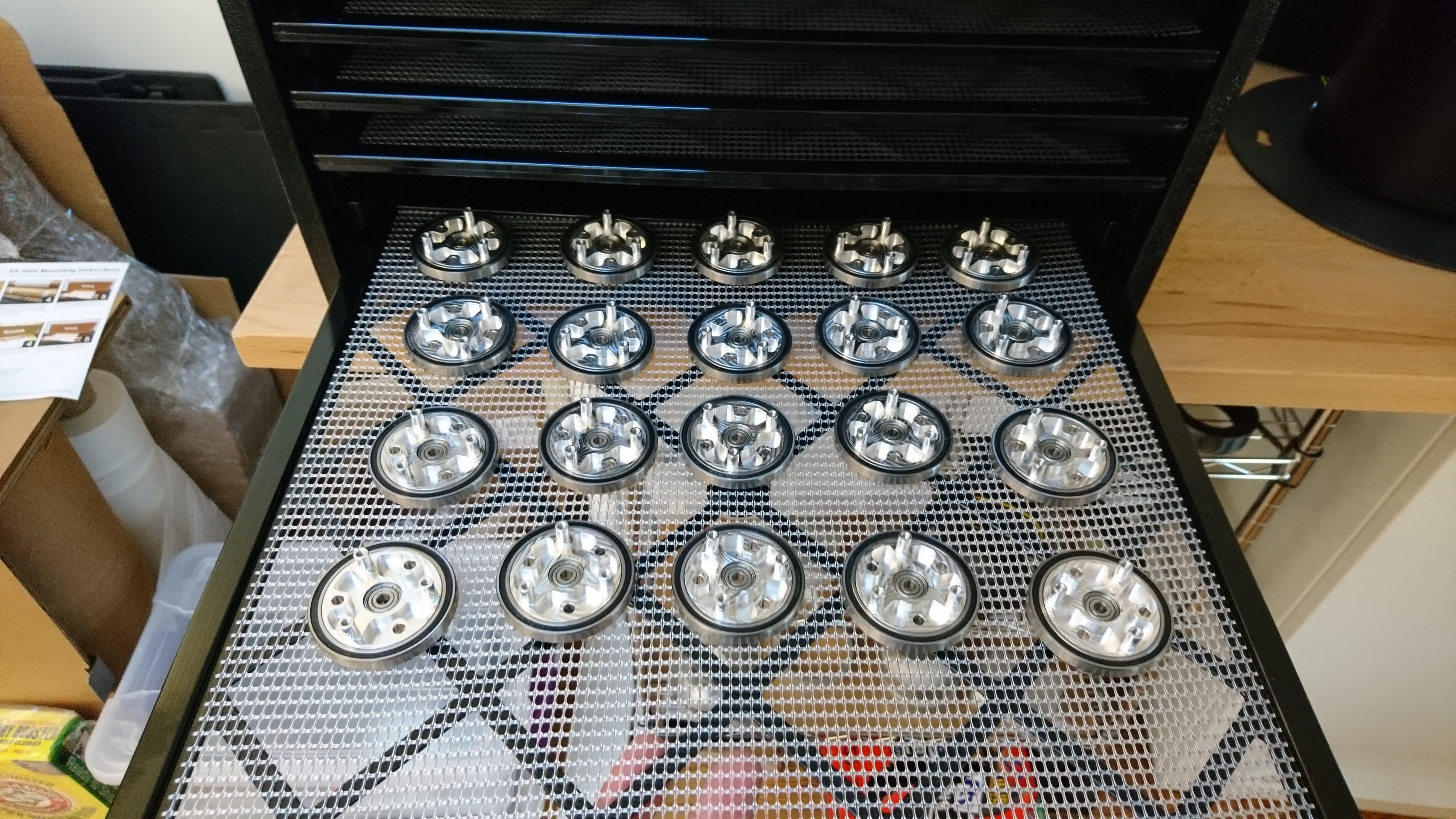
Lots of frameless stators and rotors

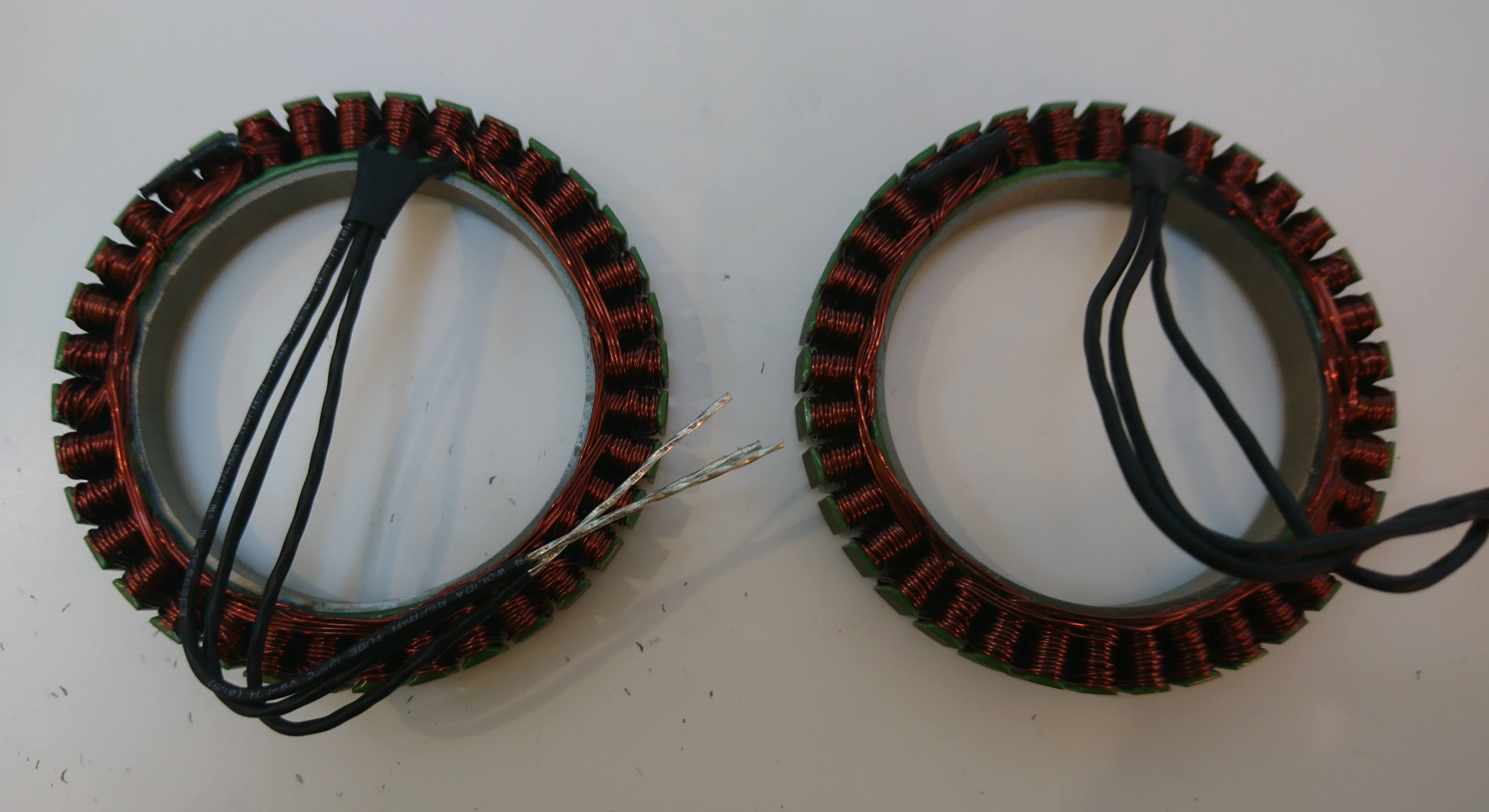
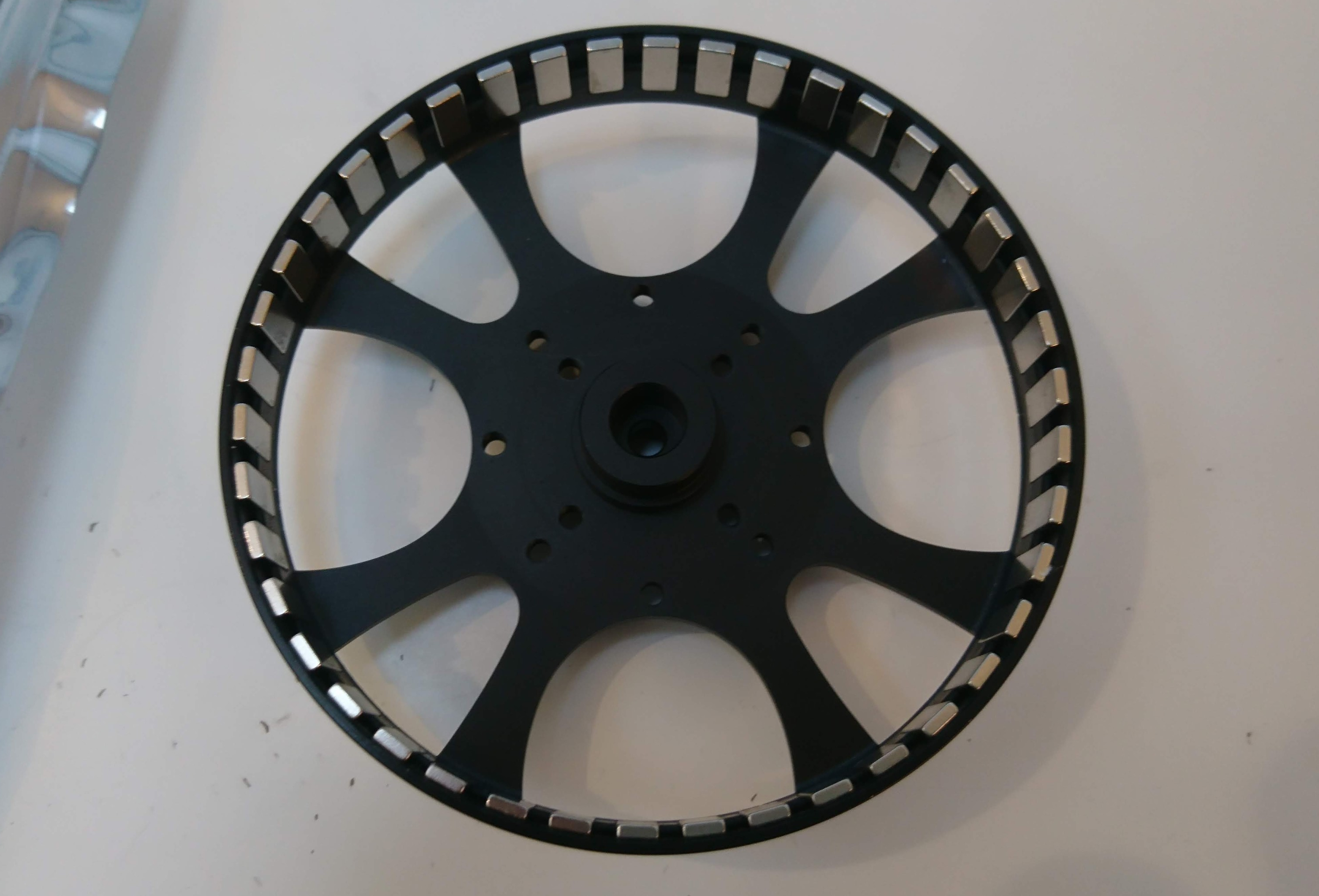
While gearing up to make some dev-kits followed by a pre-production run of the moteus servo mk2, I recently received a bunch of frameless rotors and stators.

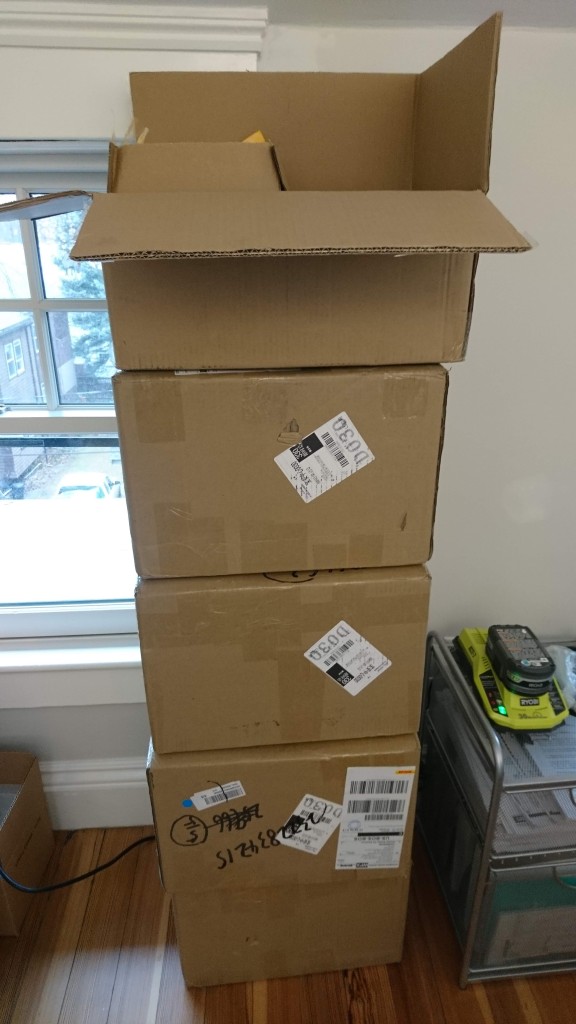
It’s almost taller than me!

It’s almost taller than me!

Some stators

Some stators

A rotor

A rotor

As with the other custom items, I’ve got some spares of these for sale at shop.mjbots.com if you’re building along with me!  [UPDATE no longer!]

Now it’s time to start building some servos!

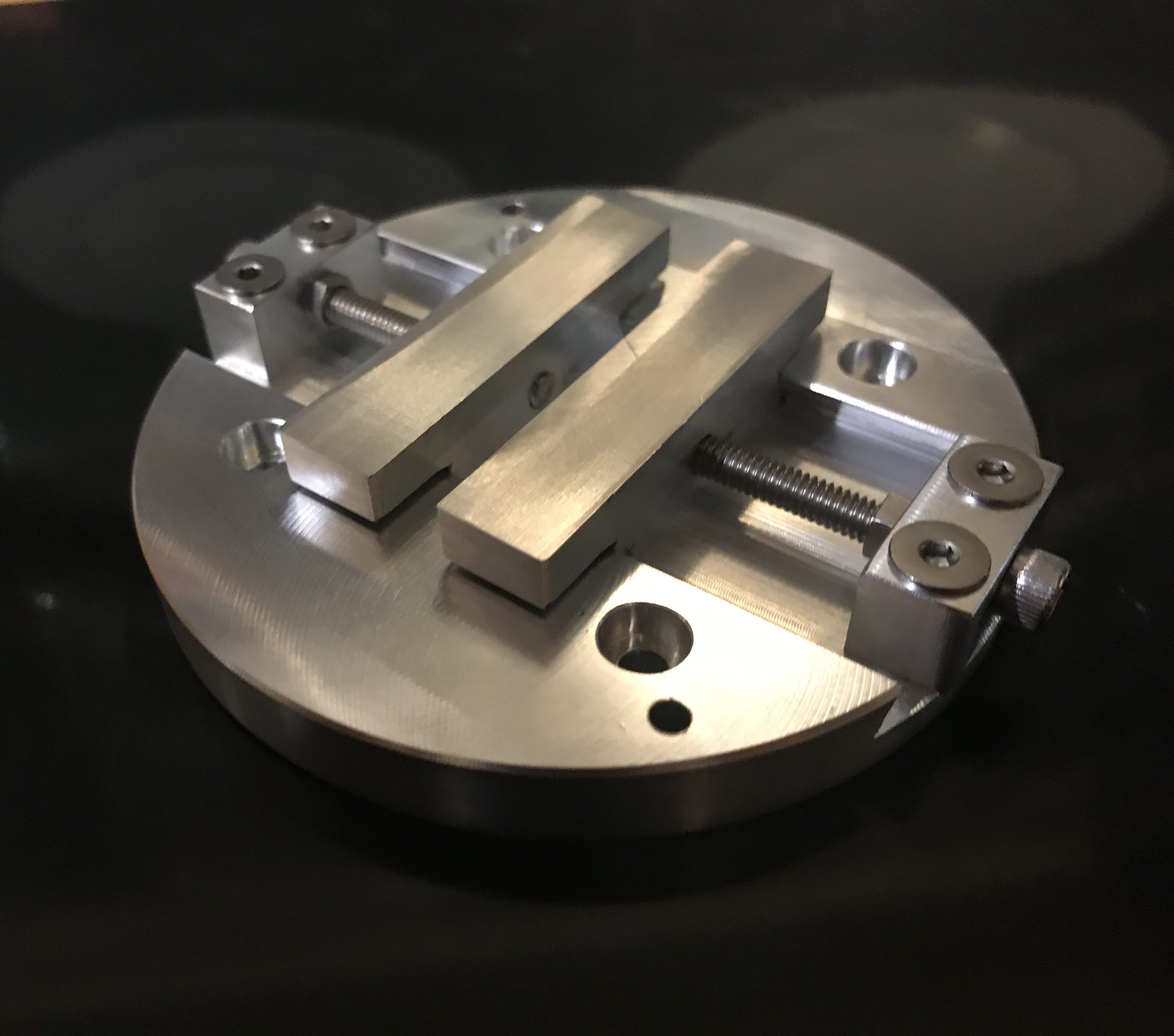
wcubed vise for Pocket NC

Just because I’m generally looking for workholding solutions for the Pocket NC, I recently picked up a vise designed for it from wcubed.co.

vise.jpg

Unlike the stock vise that comes with the PNC, this has two movable aluminum jaws.  It can probably hold with greater force than the stock vise, since there is a larger contact area, although the screw mechanism doesn’t necessarily apply the force all that uniformly.  Also, since both jaws are movable, you have to take some care to either manually center things, or do some edgefinding, which isn’t terribly easy on a PNC.

Preparing stock on a CNC Bridgeport

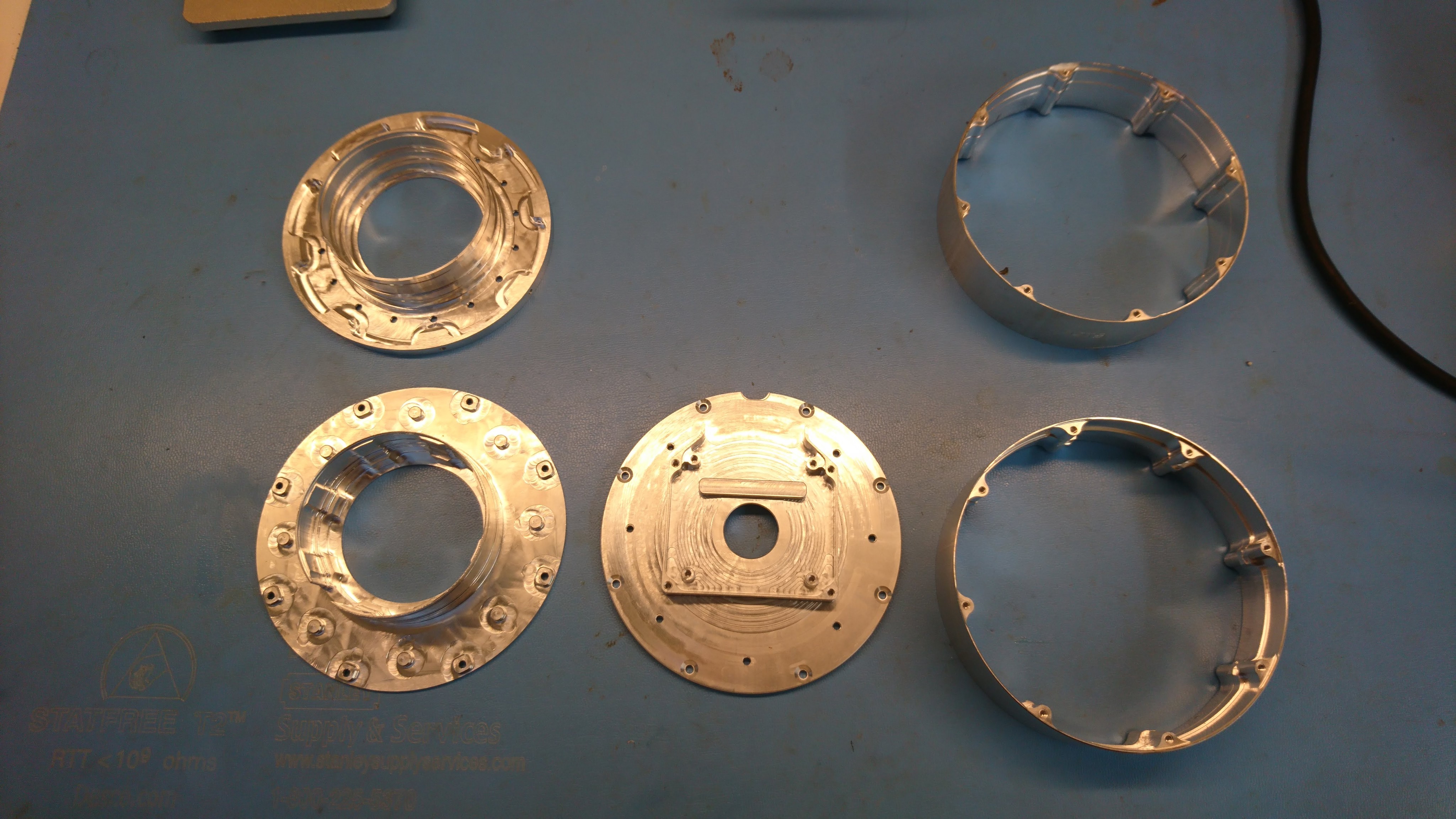
As mentioned previously, I made up some soft jaws to hold 4in round stock in a 6" vise.  My goal was to prepare stock for workholding on the Pocket NC v2-50 to machine prototypes of the front and back housing for the reduced weight moteus servo mk2.

Now, I’ve used those soft jaws to trim down both pieces of stock to the correct length, bore a center hole, and in the case of the front housing, remove a bunch of additional material in a more expeditious manner.  There’s not much more to it than that, so here’s the video:

Endurance testing moteus controller r4.1

Before ordering a bigger batch of the new moteus r4.1 controller, I wanted some assurance that it would be able to run for an extended periods of time under representative loads while not breaking or having thermal issues.

r4.1 mounted up

r4.1 mounted up

When I did this for the r3.1 controller, I had 2 motor joints and a planar leg built and did a jumping endurance test.  I could have done that now, but building up a leg fixture was more work than I wanted to mess with at the moment, so I went with a simpler approach:

My first non-Fusion generated g-code

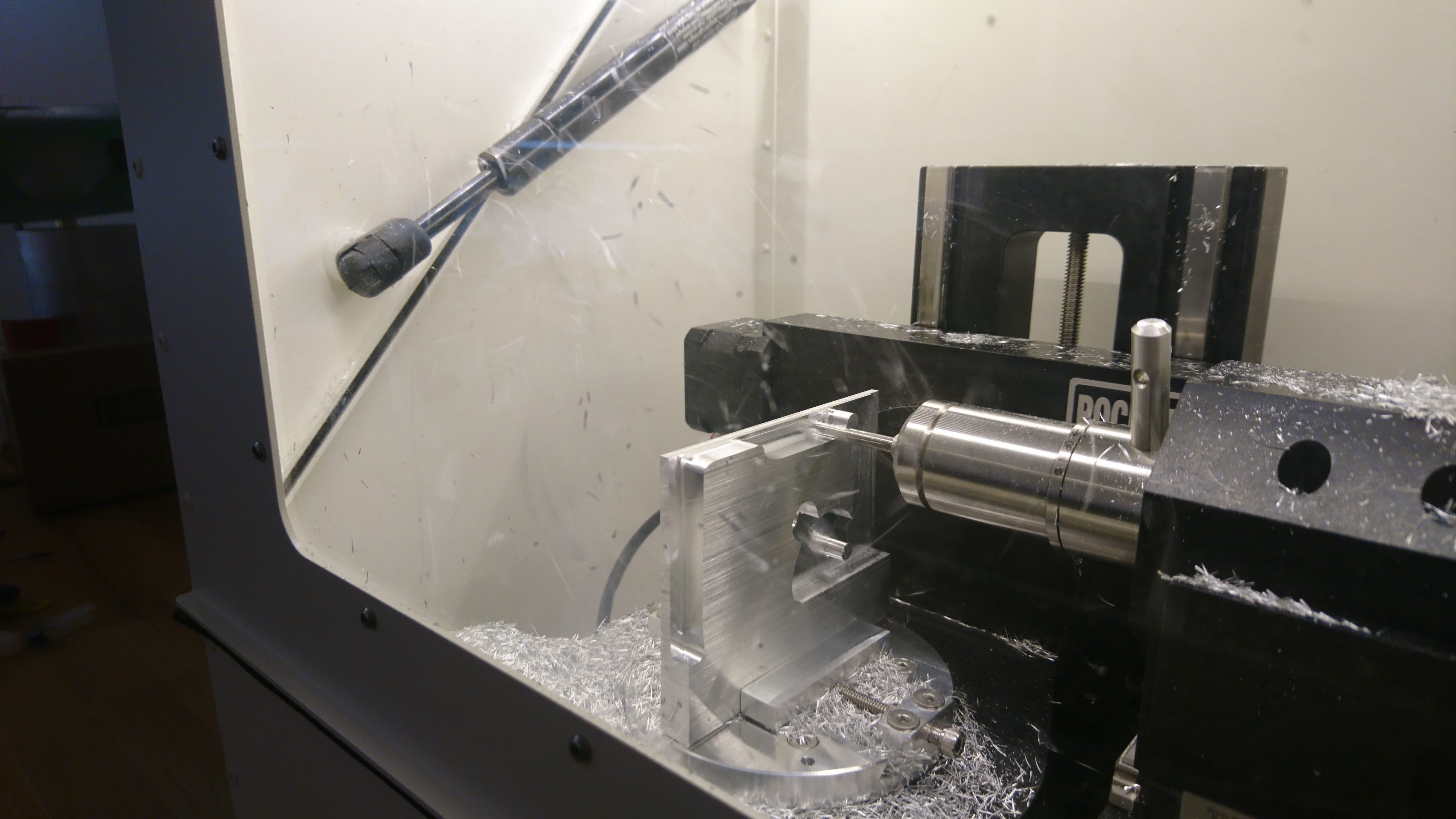
While working to build a weight reduced moteus servo mk2, I reworked my outer housing CAM to do all the machining on the Pocket NC v2-50.  For this part I didn’t necessarily need any challenging workholding and since I could get the stock in tube form, there wasn’t an inordinate amount of material to remove either.

The one challenge is that when mounted in the Sherline Chuck, the mill can’t actually reach all the way to the edge of the part without hitting the X travel limit (which is why most of the other 100mm diameter parts I do are fixtured slightly off-center).  In this case I tackled the problem in two iterations.

fdcanusb

One of the necessary pieces for bringing up the moteus brushless controller and for ongoing development with it is being able to communicate with the device on the desk.  There aren’t many options for desktop FDCAN communication currently, and certainly none that are in the affordable range occupied by the [CANUSB family of devices](http://CANUSB family of devices) which I’ve used before and was very happy with.  Thus I created “fdcanusb”, a USB to FDCAN converter that allows one to communicate with FDCAN devices via a USB interface using a documented protocol, no drivers necessary.

More adventures in STM32G4 bringup

Last time I had an actually hard problem…, a mis-aligned stack which caused randomly misbehaving software.  This time, I had a more prosaic problem.  One that while not necessarily as interesting, was even more time consuming and frustrating.

The serial port wouldn’t work.  I had copied the module I used for DMA based receive and transmit from the STM32F4 and it just wasn’t working.  Nothing was written and nothing was received.  I carefully inspected the software many times.  I looked at the registers in the debugger and nothing seemed obviously amiss.  I read the datasheet to look for subtle differences in the theory of operation between the STM32F4 and STM32G4 but came up empty.