Archives: 2026

Optimizing fast movements

In a mini-project inspired by a Discord chat about a Rubik’s cube solver, I decided to undertake a project to see how quickly I could get moteus to make a controlled 90 degree movement and a controlled 180 degree movement. The project ended up involving a fair amount more work and theory than I had expected, but resulted in an overall solution that is relatively close to optimal for the specified moteus and motor. If you find text too hard, you can watch the video below, otherwise read on to see the details:

Capturing full rate debug data from moteus

Most users of the moteus brushless motor controller will perform diagnostics and monitoring over CAN-FD, using something like tview, the moteus python library or the moteus C++ library. These options are great, since CAN-FD works over long distances, allows multiple devices to be multiplexed and is relatively immune to EMI or other electrical disturbances. The biggest downside is that at best, you can capture telemetry a few thousand times a second. For instance here, 2.5kHz is the maximum achievable update rate with a pi3hat and a single moteus.

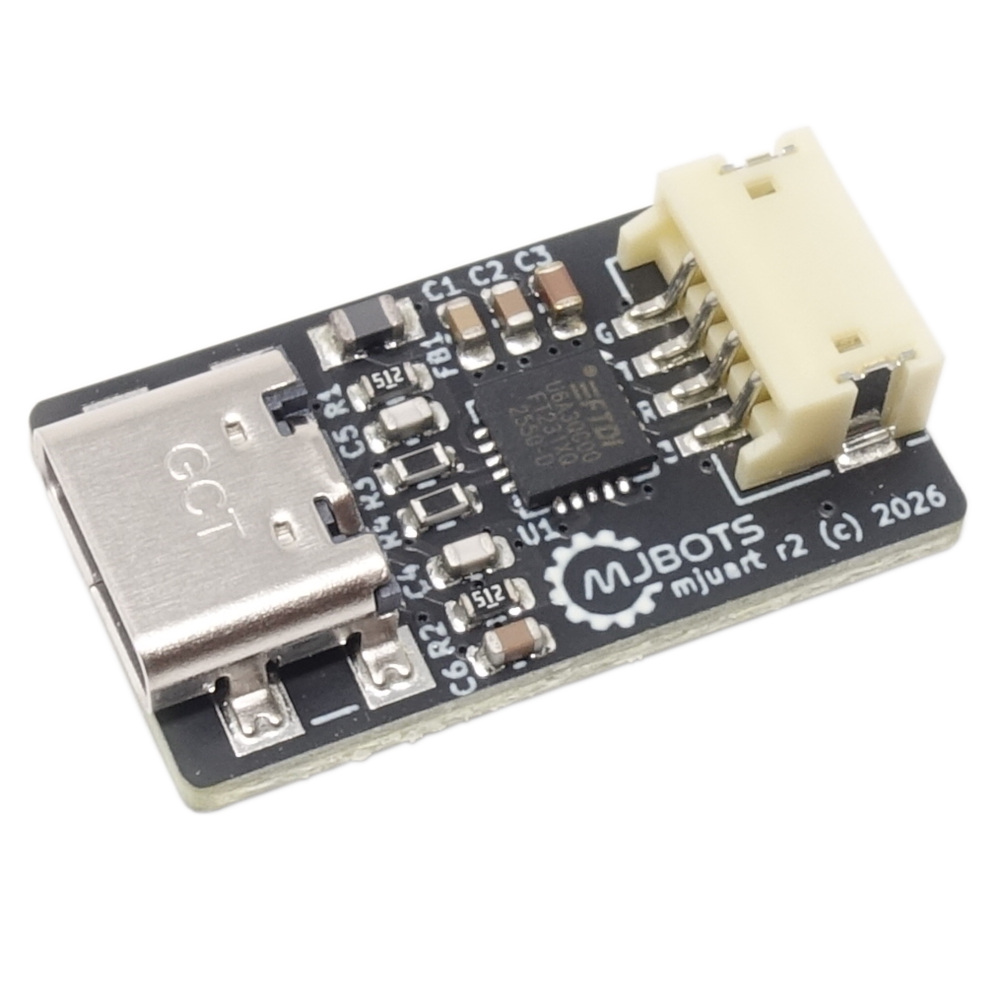
What should you do when you want to monitor events that happen faster than that? Well, moteus has a solution for that too, and while it isn’t nearly as convenient, it does get the job done for many uses. It is called “high rate debug output” and lets moteus emit small amounts of telemetry data at every single control cycle, so up to 30kHz. In this post I’ll show how to configure and use it, how to capture the resulting output, and how to plot it or otherwise make use of it.